Introduction
Employees need the right skills to perform their jobs effectively. Businesses must help employees improve their knowledge and develop new abilities.
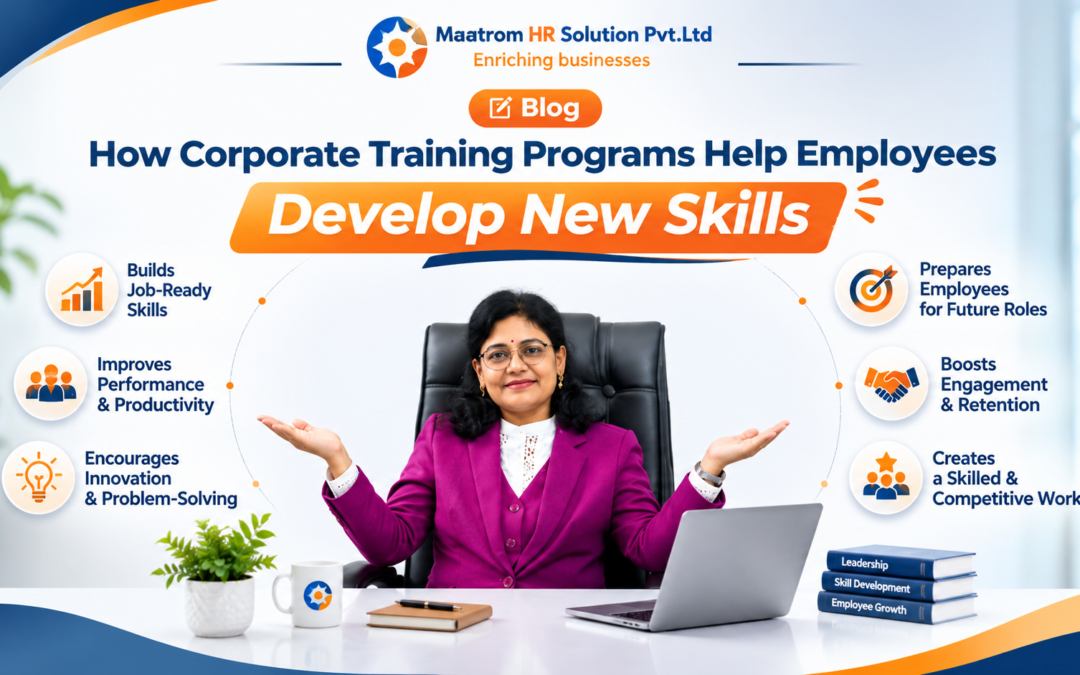
Corporate Training Programs provide employees with opportunities to learn practical skills and improve their professional capabilities. These programs also help organizations prepare their workforce for changing business needs.
Moreover, regular training improves employee confidence and workplace performance. Therefore, investing in employee development is important for long-term business success.
What Are Corporate Training Programs?
Corporate Training Programs are structured learning activities designed to improve employees’ knowledge, skills and workplace abilities.
These programs help employees perform their responsibilities more effectively. In addition, they prepare teams to handle new technologies, business challenges and professional responsibilities.
Common corporate training activities include:
- Technical skills training.
- Communication and soft skills training.
- Leadership development.
- Teamwork and collaboration training.
- Time management training.
- Customer service training.
- Workplace safety training.
- Professional development workshops.
Organizations can conduct these programs through classroom sessions, online learning, workshops and practical training activities.
Why Are Corporate Training Programs Important?
Corporate training plays an important role in developing a skilled and productive workforce.
1. Improves Employee Skills
Training helps employees learn new techniques and improve their existing abilities. As a result, they can perform their responsibilities more effectively.
2. Increases Workplace Productivity
Employees who receive suitable training can complete tasks more efficiently. Furthermore, they can understand work processes and reduce avoidable mistakes.
3. Builds Employee Confidence
Learning new skills helps employees become more confident in their roles. Consequently, they can handle responsibilities and workplace challenges more effectively.
4. Supports Career Development
Training provides employees with opportunities to improve their professional knowledge. It also helps them prepare for promotions and future responsibilities.
5. Improves Employee Retention
Organizations that invest in employee development demonstrate their commitment to workforce growth. This can improve employee satisfaction and support retention.
6. Strengthens Teamwork
Team-based training improves communication, collaboration and problem-solving abilities. Therefore, employees can work together more effectively.
Types of Corporate Training Programs Every Organization Should Consider
Different employees require different training depending on their job roles and responsibilities.
1. Technical Skills Training
Technical training helps employees develop job-related knowledge and practical abilities.
Examples include:
- Software training.
- Digital tools and applications.
- Data analysis.
- Technical process training.
- Industry-specific skills.
These programs help employees adapt to changing workplace technologies.
2. Communication and Soft Skills Training
Communication skills are important for effective workplace relationships.
Soft skills training may include:
- Business communication.
- Presentation skills.
- Interpersonal communication.
- Problem-solving.
- Conflict management.
- Emotional intelligence.
As a result, employees can communicate more effectively with colleagues, managers and customers.
3. Leadership and Management Training
Leadership training prepares employees to manage teams and take on additional responsibilities.
It may cover:
- Decision-making.
- Team management.
- Delegation.
- Conflict resolution.
- Strategic thinking.
- Employee motivation.
These skills help organizations develop future leaders.
4. Time Management Training
Time management training helps employees organize their responsibilities and prioritize important tasks.
It includes planning techniques, workload management and productivity improvement methods.
5. Team Building Training
Team-building activities encourage employees to collaborate and develop stronger professional relationships.
Furthermore, they help improve trust, communication and cooperation within teams.
6. Compliance and Workplace Safety Training
Compliance training helps employees understand relevant workplace policies, procedures and legal responsibilities.
Depending on the organization, training may cover workplace safety, POSH awareness, data protection and other applicable compliance requirements.
How Corporate Training Programs Help Employees Develop New Skills
A structured training approach helps employees improve their professional abilities step by step.
Step 1: Identify Employee Skill Gaps
First, organizations should understand which skills employees need to improve. HR teams can use performance reviews, manager feedback and employee assessments to identify training requirements.
Step 2: Set Clear Training Objectives
Next, organizations should establish specific learning goals. These objectives should match employee responsibilities and business requirements.
Step 3: Select the Right Training Method
Different skills require different learning methods. For example, technical training may require practical demonstrations, while communication training may involve group activities and role-playing.
Step 4: Provide Practical Learning Opportunities
Employees should have opportunities to apply their knowledge through practical exercises, workplace activities and real-world examples.
Step 5: Evaluate Training Effectiveness
Finally, organizations should assess employee progress through feedback, assessments and workplace performance improvements.
This process helps businesses understand whether their training programs are achieving the expected results.
Common Challenges in Corporate Training and Development
Although training provides many benefits, organizations may face challenges while implementing learning programs.
Lack of Employee Participation
Some employees may find it difficult to balance training with their daily responsibilities. Therefore, organizations should schedule sessions appropriately.
Limited Training Budgets
Training expenses may affect smaller organizations. However, businesses can consider online learning and cost-effective training methods.
Lack of Practical Learning
Training that focuses only on theory may not provide enough workplace value. Instead, organizations should include practical exercises and demonstrations.
Difficulty Measuring Training Results
Organizations may struggle to understand whether employees are applying their newly acquired skills. Regular assessments and performance reviews can help address this issue.
Changing Skill Requirements
Workplace technologies and business needs continue to evolve. Consequently, organizations must regularly update their training programs.
Best Practices for Successful Corporate Training Programs
Organizations can improve training effectiveness by following a structured approach.
- Identify employee learning requirements.
- Set clear training objectives.
- Choose suitable training methods.
- Encourage employee participation.
- Include practical learning activities.
- Provide continuous learning opportunities.
- Collect employee feedback.
- Measure training effectiveness.
- Update training content regularly.
Furthermore, managers should encourage employees to apply their new knowledge in daily work activities.
How HR Teams Support Corporate Training and Development
HR teams play an important role in planning and managing employee training programs.
They can support organizations by:
- Identifying employee skill gaps.
- Preparing annual training plans.
- Coordinating training sessions.
- Selecting suitable training methods.
- Monitoring employee participation.
- Evaluating training outcomes.
- Maintaining training records.
- Supporting employee career development.
A structured HR training framework helps organizations create a culture of continuous learning.
How Maatrom HR Solution Supports Corporate Training and Development
Developing employee skills is essential for building a productive and capable workforce.
Maatrom HR Solution provides Training and Development services to help organizations strengthen employee capabilities and improve workplace effectiveness.
The company’s HR services include:
- Corporate Training and Development.
- Communication and Soft Skills Training.
- Leadership Development.
- Organization Development.
- Performance Management.
- Recruitment and Staffing.
- HR Payroll and Statutory Compliance.
Through suitable training and HR support, Maatrom HR Solution helps businesses focus on employee development and organizational growth.
Conclusion
Corporate Training Programs help employees develop new skills, improve workplace performance and prepare for future responsibilities.
Moreover, structured training encourages continuous learning, strengthens teamwork and supports employee career development.
Organizations should regularly identify skill gaps and provide suitable learning opportunities to build a capable workforce.
Maatrom HR Solution supports businesses through training, development and other HR services that contribute to workforce improvement.
Looking to develop your employees’ skills and improve workplace performance?
Connect with Maatrom HR Solution to explore corporate training and development solutions for your organization.
Frequently Asked Questions (FAQs)
1. What are corporate training programs?
Corporate training programs are structured learning activities designed to improve employees’ professional knowledge, workplace skills and job performance.
2. Why are corporate training programs important?
They help employees develop new skills, improve productivity, strengthen teamwork and prepare for changing workplace requirements.
3. What are the different types of corporate training?
Common types include technical training, communication skills, leadership development, time management, team building and compliance training.
4. How do corporate training programs improve employee productivity?
Training helps employees understand their responsibilities, improve work methods and complete tasks more efficiently.
5. How often should organizations conduct employee training?
Training frequency depends on business requirements and employee skill gaps. Organizations can conduct regular workshops, quarterly sessions and ongoing learning activities.
6. What is the difference between training and development?
Training focuses on improving skills required for current job responsibilities. Development focuses on preparing employees for future roles and career growth.
7. How can organizations identify employee training needs?
Organizations can identify training needs through performance reviews, employee assessments, manager feedback and skill gap analysis.
8. How can HR teams measure training effectiveness?
HR teams can use employee feedback, assessments, participation records and workplace performance indicators to evaluate training outcomes.
9. Can small businesses benefit from corporate training programs?
Yes. Small businesses can improve employee capabilities through cost-effective workshops, online courses and practical workplace training.
10. How can HR consultants support corporate training programs?
HR consultants can help organizations identify skill gaps, plan training activities, coordinate development programs and evaluate employee learning outcomes.
Recent Comments